
Top 10 Best Indian Outfits to Wear for Guru Nanak Jayanti in Australia
Guru Nanak Jayanti, also known as Guru Nanak Gurpurab, is one of the most important celebrations in the Sikh calendar. It commemorates the birth of Guru Nanak Dev Ji and is observed with prayers, kirtan, Nagar Kirtan processions, visits to Gurdwaras and community langar. In Australia, Sikh communities come together in cities and suburbs across the country to celebrate the occasion with devotion, family gatherings and community activities. In 2026, Guru Nanak's Birthday is observed on 24 November.
Choosing an outfit for Guru Nanak Jayanti is different from dressing for a regular festive party. If you are visiting a Gurdwara, clothing should be modest and comfortable, with the head covered and footwear removed before entering the prayer areas. Australian Gurdwara visitor guidelines also recommend clothing that allows visitors to sit comfortably on the floor.
Traditional Punjabi clothing is therefore an excellent choice for Guru Nanak Jayanti. Salwar kameez, Punjabi suits, Patiala sets, Anarkalis, sarees and modest kurta sets can all create elegant looks while respecting the setting.
Here are the top 10 best Indian outfits to wear for Guru Nanak Jayanti in Australia.
1. Classic Punjabi Salwar Kameez
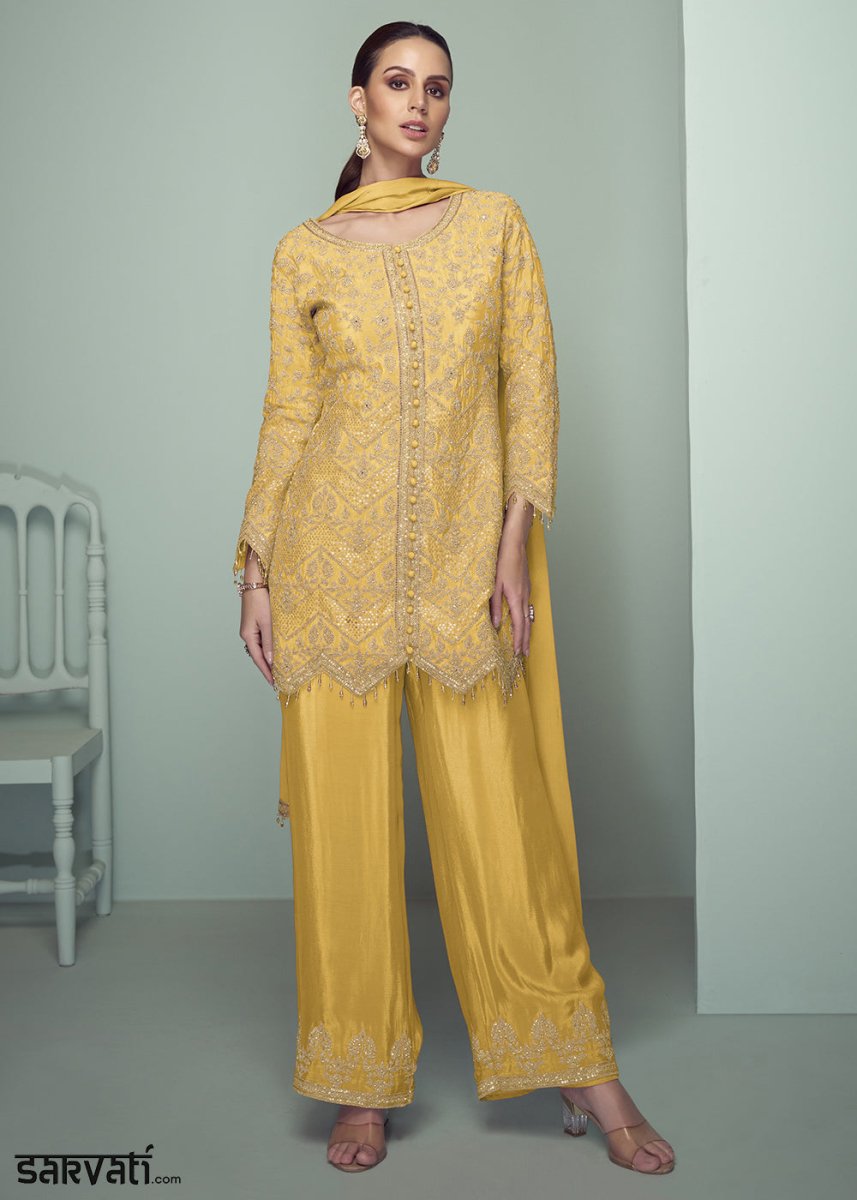
A classic Punjabi salwar kameez is one of the most suitable outfits for Guru Nanak Jayanti. The combination of a long kameez, comfortable salwar and dupatta offers a traditional appearance while making it easy to sit, walk and participate in community activities.
Choose colours such as white, cream, saffron, light blue, mustard or soft pink. Keep embroidery relatively subtle and use the dupatta to cover your head when entering the Gurdwara.
A cotton or cotton-blend Punjabi suit is particularly practical for long celebrations.
2. Patiala Suit with Phulkari Dupatta
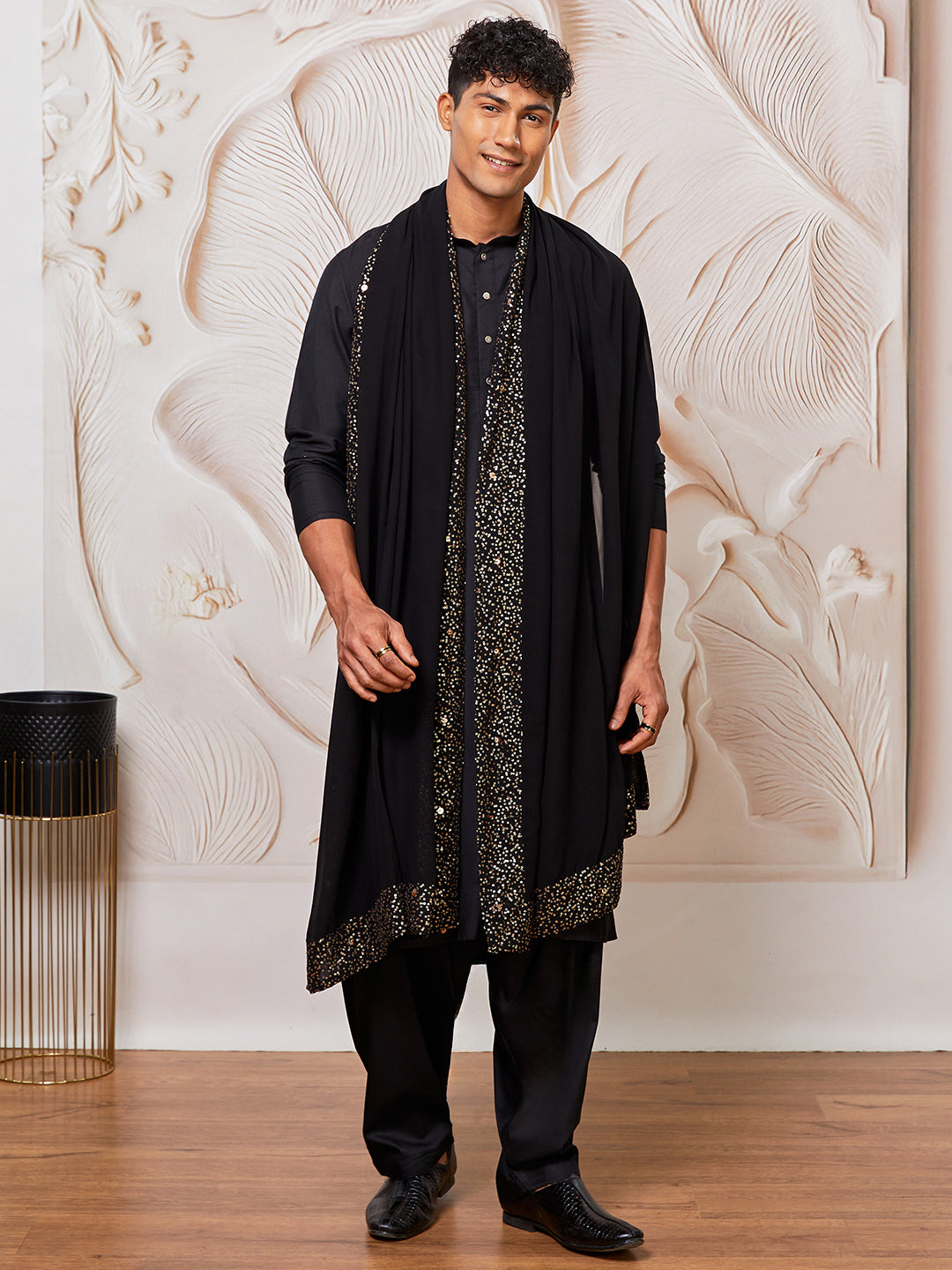
For a distinctly Punjabi look, a Patiala suit paired with a Phulkari dupatta is an excellent choice. The traditional Patiala silhouette adds volume and movement, while Phulkari embroidery brings colour and cultural character to the outfit.
Choose a longer kameez that provides comfortable coverage and pair it with a lightweight embroidered dupatta. For a Gurdwara visit, make sure the dupatta is large enough to cover your head comfortably.
3. White and Saffron Anarkali Suit
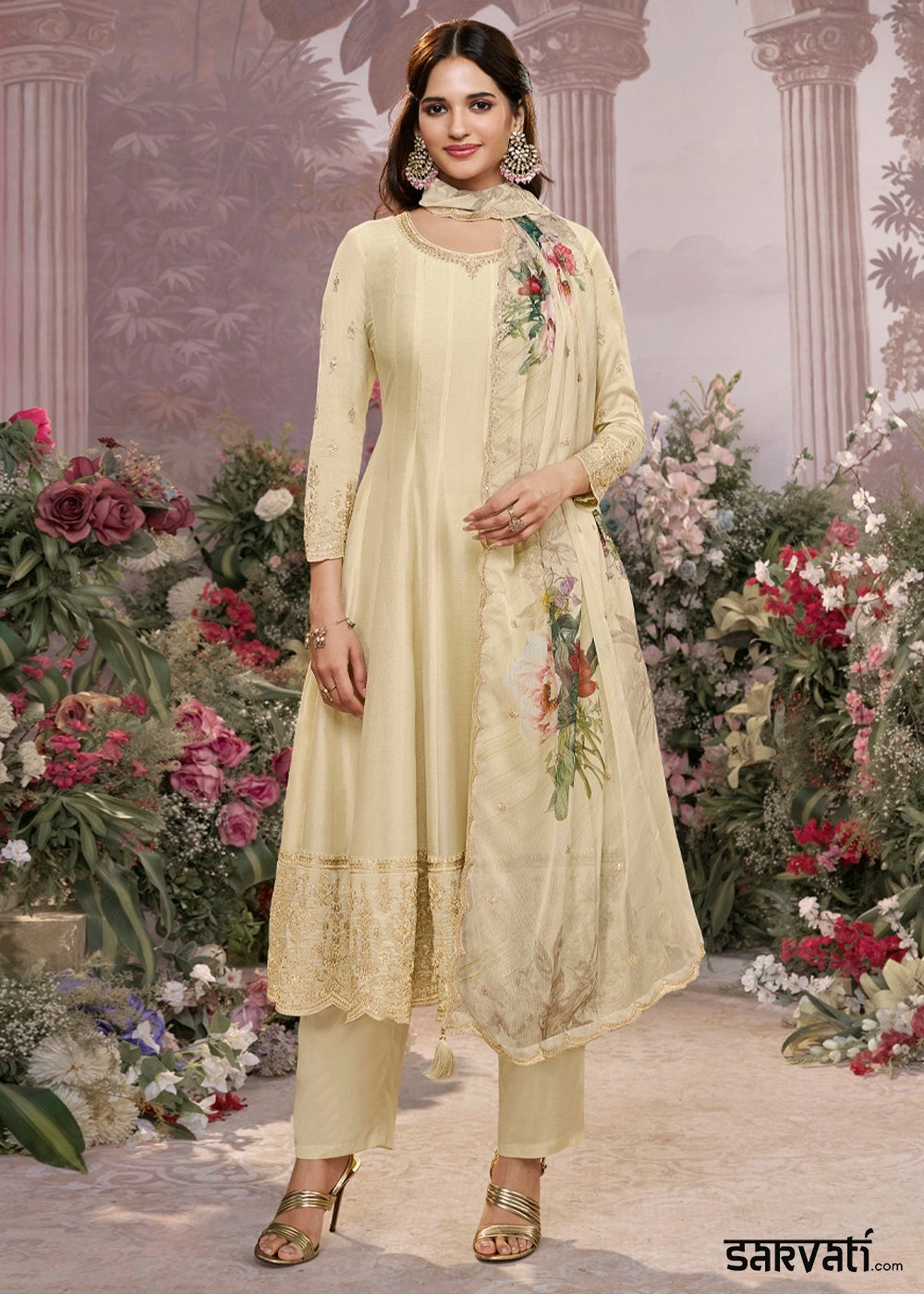
A white or cream Anarkali paired with a saffron dupatta offers an elegant and understated festive appearance. Saffron is a familiar colour within Sikh visual and cultural traditions, while neutral shades create a calm and graceful overall look.
Choose a comfortable Anarkali with a modest neckline and full or three-quarter sleeves. Minimal embroidery, traditional earrings and a neatly draped dupatta can complete the outfit.
4. Embroidered Straight-Cut Punjabi Suit
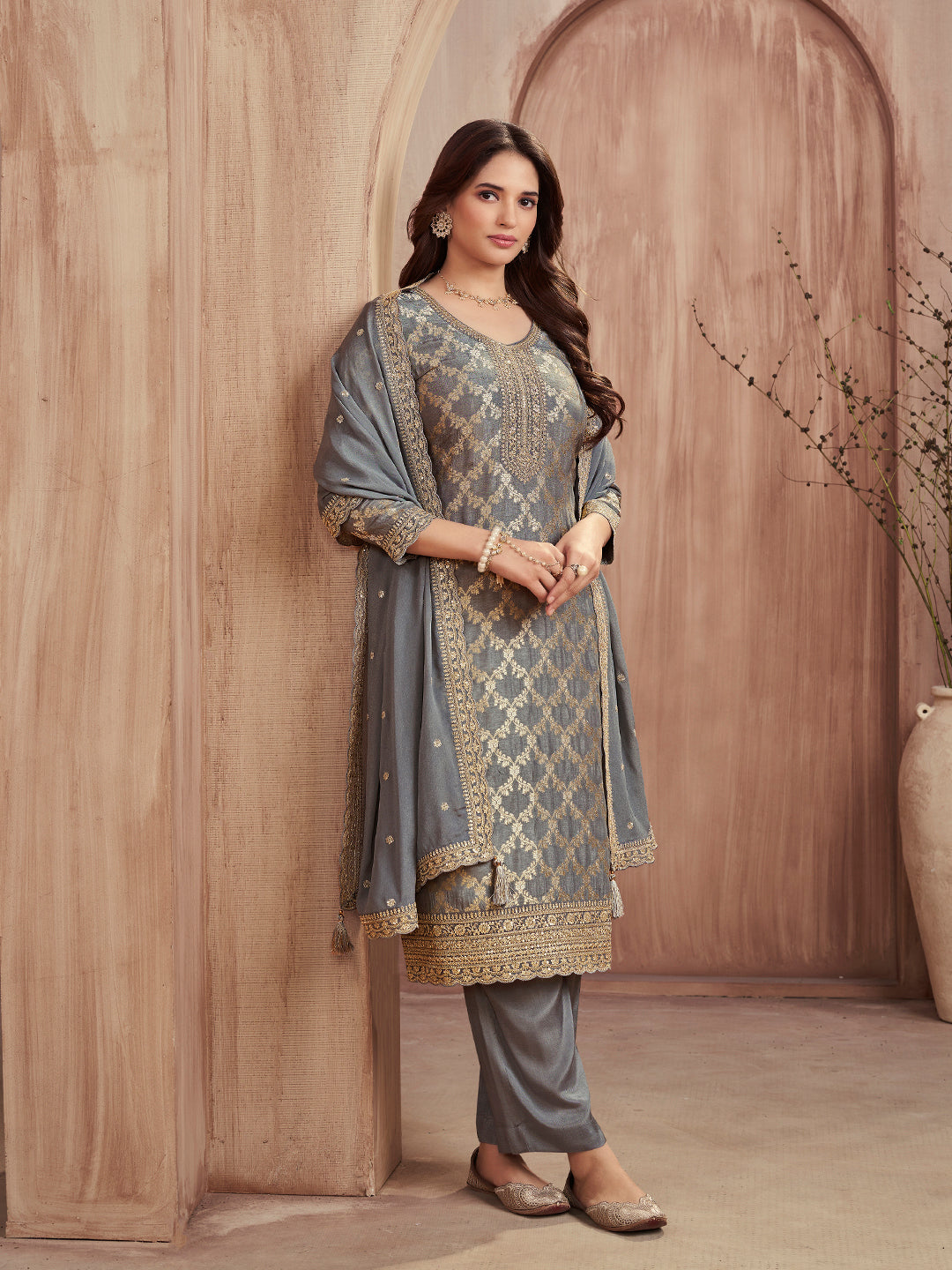
If you prefer a contemporary ethnic look, an embroidered straight-cut Punjabi suit is an excellent option. It combines traditional styling with a cleaner silhouette that is easy to wear throughout the day.
Choose a knee-length or longer kurta with straight pants and a lightweight dupatta. Delicate thread embroidery, small motifs or a traditional border can provide festive detail without making the outfit overly elaborate.
This style is also practical if you plan to participate in langar or other community activities.
5. Traditional Silk Saree
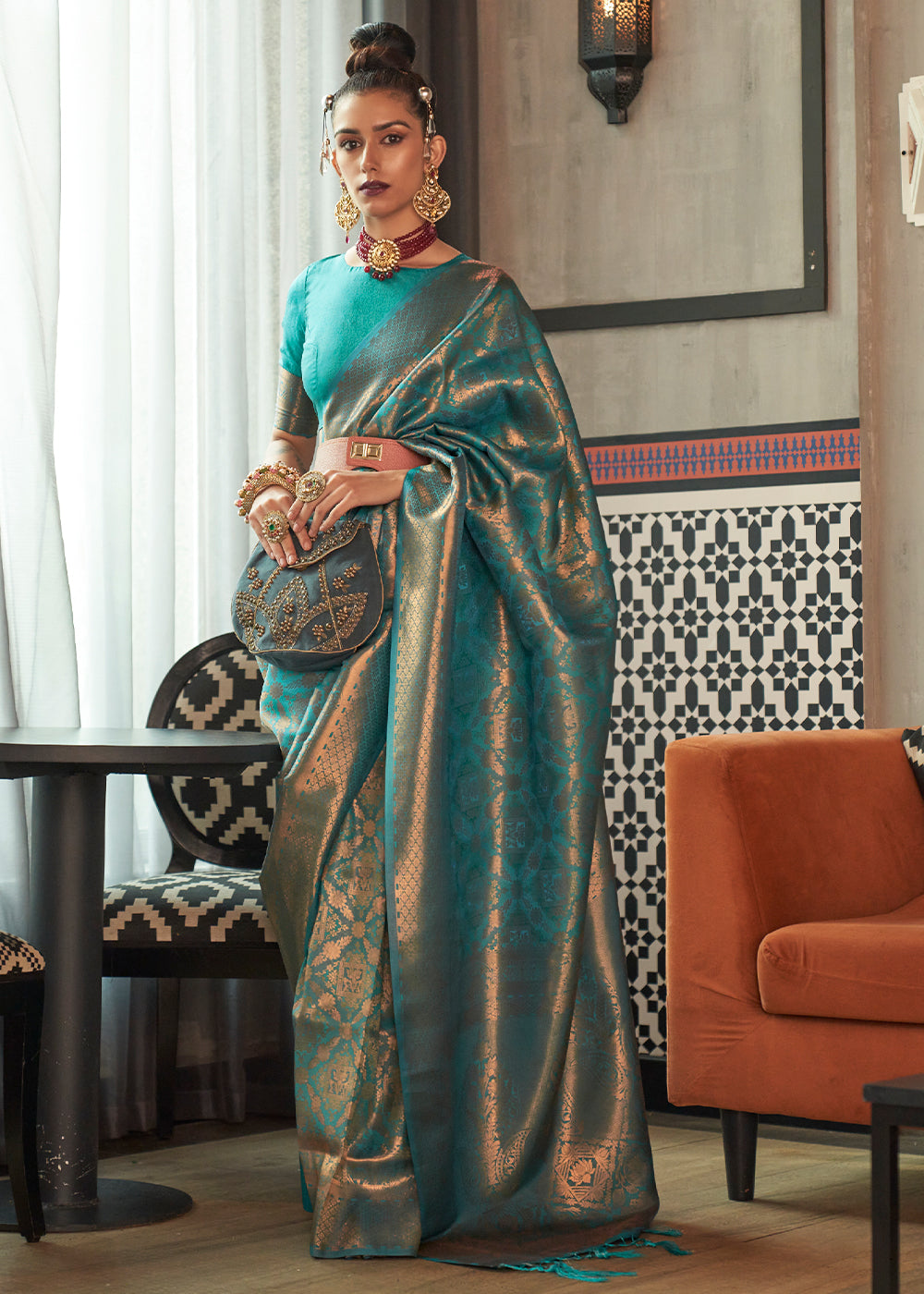
A simple silk saree can create an elegant traditional appearance for Guru Nanak Jayanti celebrations. Choose a saree with a refined border rather than very heavy bridal-style embellishment.
Cream, white, blue, saffron, mustard and pastel shades can work beautifully. Pair the saree with a modest blouse and use the pallu or a separate dupatta-style covering to cover your head inside the Gurdwara.
Make sure the saree is securely draped so that you can sit and move comfortably.
6. Punjabi Kurta and Palazzo Set
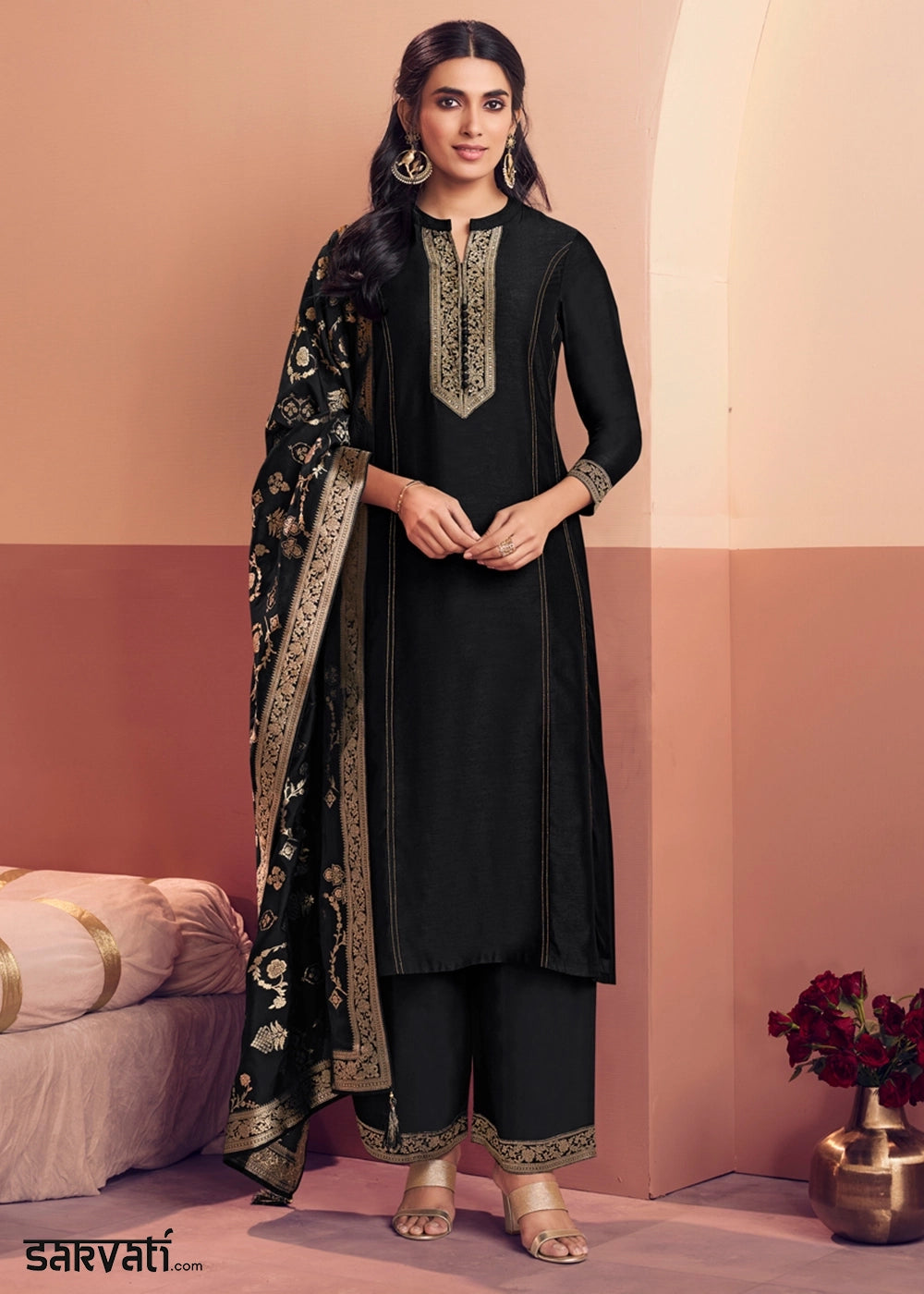
A Punjabi-inspired kurta and palazzo set is a comfortable choice for women who prefer contemporary ethnic clothing. The wide-leg trousers provide easy movement while the long kurta maintains a traditional appearance.
Look for fabrics such as cotton, Chanderi or lightweight silk. Embroidered necklines, woven borders and subtle traditional motifs can add festive character.
A wide dupatta is an important part of the look, particularly when visiting a Gurdwara.
7. Phulkari Suit Set
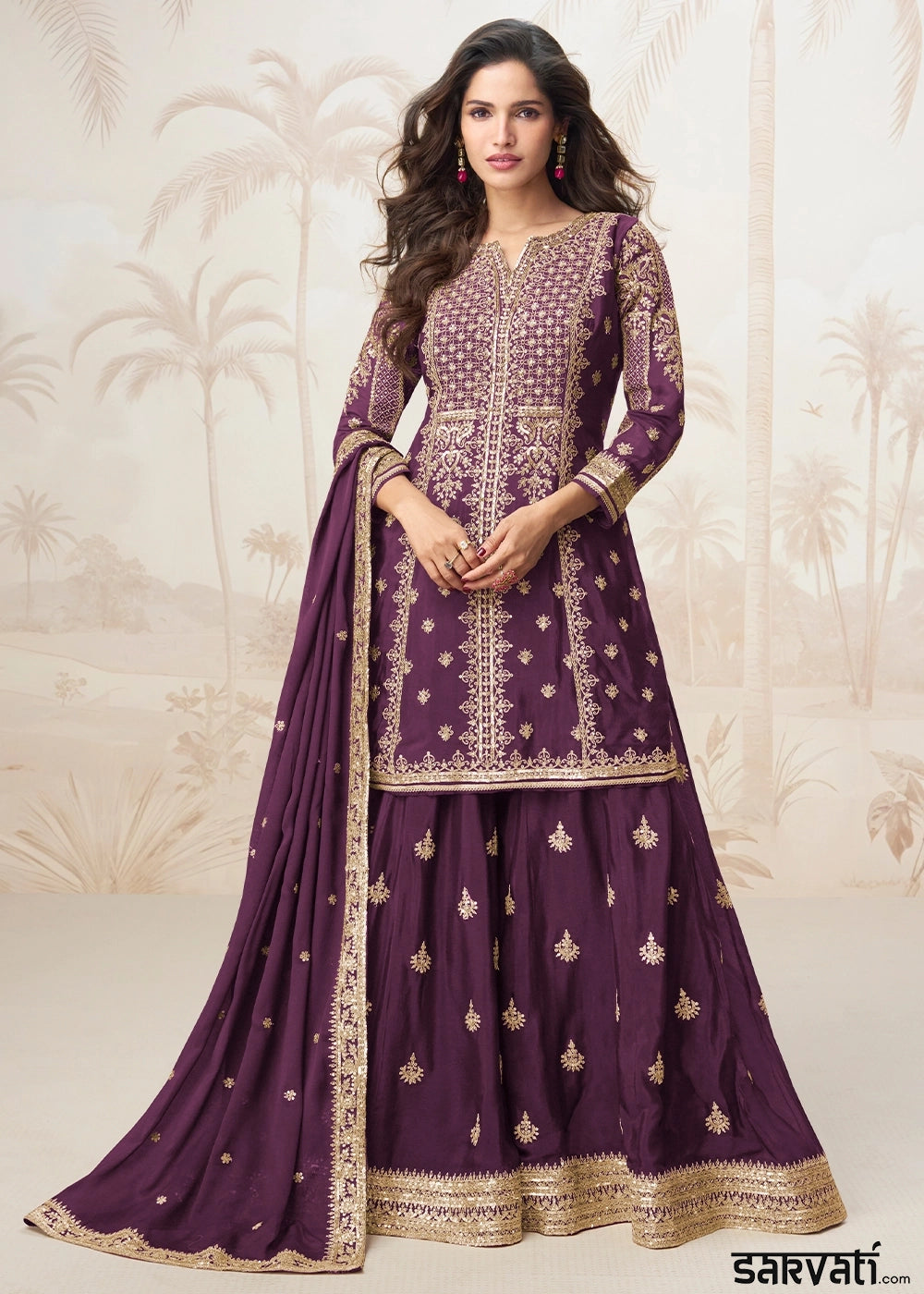
Phulkari is closely associated with Punjabi textile traditions, making a Phulkari-inspired suit an especially fitting option for Guru Nanak Jayanti.
You can choose a relatively simple base suit with colourful Phulkari embroidery on the dupatta. This allows the embroidery to become the main feature without making the entire outfit heavy.
Pair it with simple earrings, traditional flats and a matching dupatta that can comfortably cover your head.
8. Blue Punjabi Suit with Dupatta
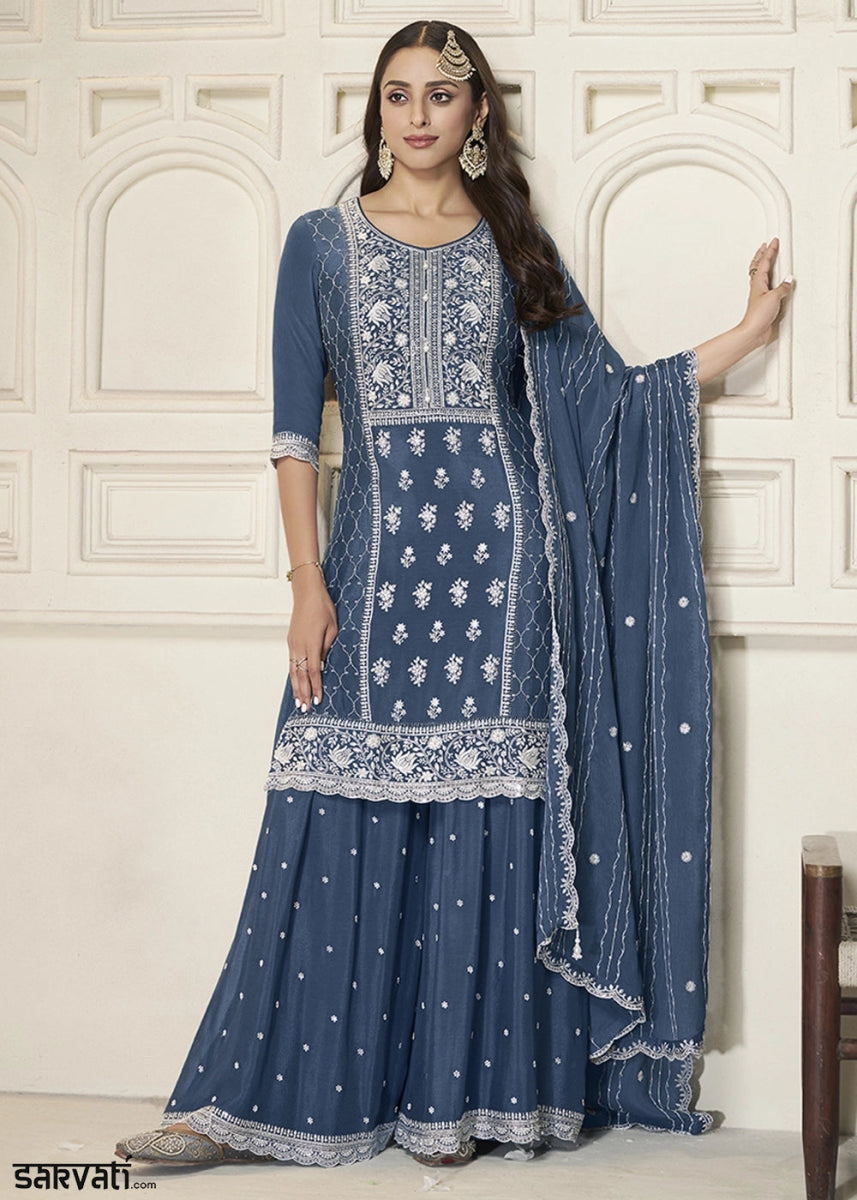
Blue can be a beautiful choice for Guru Nanak Jayanti. A deep blue, royal blue or softer pastel blue Punjabi suit can create a sophisticated festive look while remaining appropriate for a religious setting.
Choose a long kurta with comfortable trousers or salwar and pair it with a contrasting or matching dupatta. Silver-toned jewellery can complement blue particularly well.
For Gurdwara visits, prioritise a secure head covering and comfortable clothing over elaborate accessories.
9. Cotton Kurta Set with Embroidered Dupatta
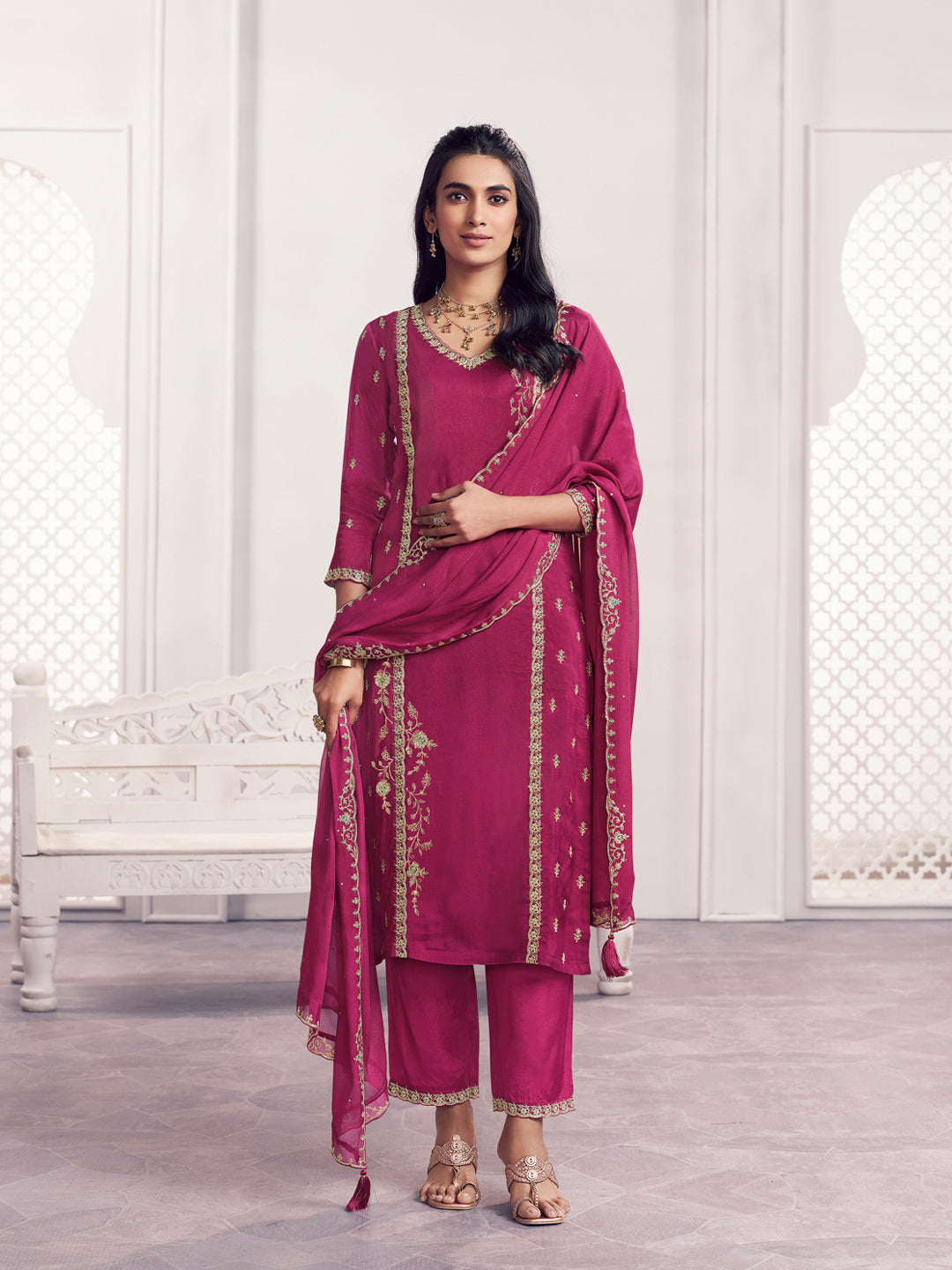
For a simple and comfortable Guru Nanak Jayanti outfit, a cotton kurta set paired with an embroidered dupatta is an excellent option. It works particularly well for Australia's varying November weather and for celebrations involving extended periods of walking or sitting.
Choose a long kurta with relaxed trousers or pants. A colourful embroidered dupatta can introduce festive detail while keeping the main outfit understated.
This is also a good option if you plan to volunteer or participate in community service during the celebration.
10. Modest Sharara Suit
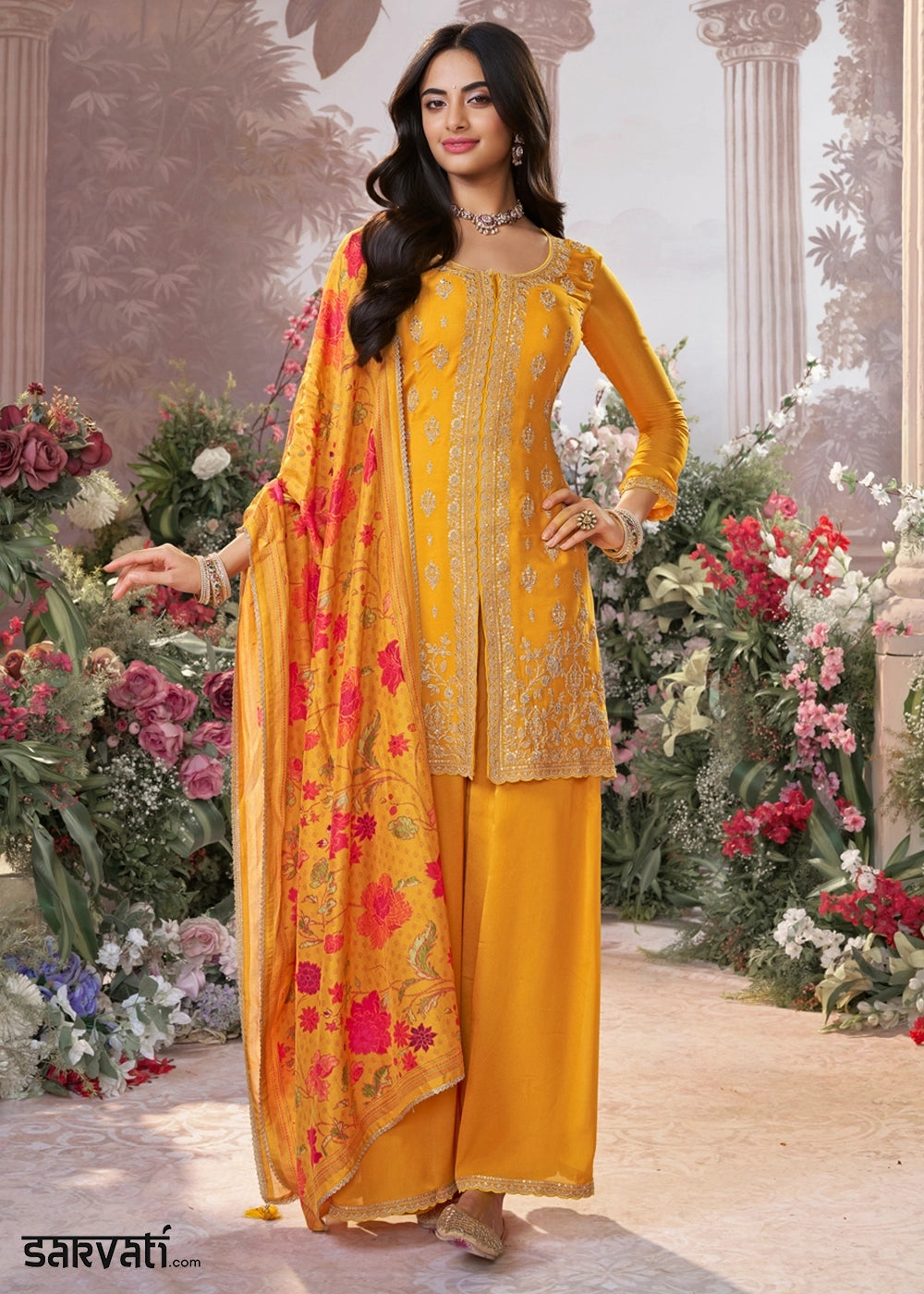
A modest sharara suit can provide a slightly more festive appearance while still maintaining traditional coverage. Choose a long kurta paired with comfortable sharara pants and a full-length dupatta.
Avoid overly short tops or very revealing designs, particularly if you will be visiting a Gurdwara. Subtle embroidery, gota detailing or traditional motifs can make the outfit festive without making it feel like a party outfit.
Pastel pink, cream, blue, green, mustard and saffron can all work beautifully.
How to Choose the Right Guru Nanak Jayanti Outfit in Australia
The type of celebration should guide your outfit choice. If you are attending a Gurdwara for prayers and kirtan, choose modest clothing that allows you to sit comfortably on the floor. If you are attending a Nagar Kirtan procession, comfortable footwear and practical fabrics become especially important.
Gurdwara guidelines in Australia generally require visitors to cover their heads, remove their shoes and wear appropriate clothing suitable for sitting comfortably.
For women, a salwar kameez or Punjabi suit is particularly convenient because the dupatta can be used as a head covering. A long kurta with loose trousers is another practical option.
Best Colours for Guru Nanak Jayanti Outfits
White, cream, blue, saffron, yellow and pastel shades can create elegant Guru Nanak Jayanti looks. White and cream provide a simple and graceful appearance, while blue and saffron can introduce stronger traditional colour.
You do not need to restrict yourself to particular colours. The more important consideration for a Gurdwara visit is that your clothing is clean, modest and comfortable.
Best Fabrics for Guru Nanak Jayanti in Australia
Cotton is an excellent choice for daytime celebrations because it is breathable and comfortable. Cotton-silk, Chanderi and lightweight silk can be suitable when you want a slightly more festive appearance.
Since Guru Nanak Jayanti takes place in November, weather conditions will differ across Australia. Sydney, Melbourne, Brisbane, Perth and other cities can have different temperatures, so consider the local weather when selecting your outfit.
For cooler mornings, a simple shawl or modest outer layer can be added without compromising the traditional appearance.
Jewellery for Guru Nanak Jayanti
Keep jewellery elegant and relatively understated for a Gurdwara visit. Small jhumkas, pearl earrings, delicate necklaces, simple bangles or a traditional kada can complement the outfit without becoming distracting.
If your outfit features detailed Phulkari embroidery or a heavily patterned dupatta, minimal jewellery can help maintain a balanced appearance.
Footwear for Guru Nanak Jayanti
Comfortable footwear is particularly important if you are attending a Nagar Kirtan or walking between different areas during the celebration. Traditional juttis, flat sandals and comfortable slip-on shoes are practical options.
Remember that shoes are removed before entering the Gurdwara, so footwear that is easy to take off and put back on can make the experience more convenient.
Gurdwara Dress Code for Guru Nanak Jayanti
When visiting a Gurdwara, everyone is expected to cover their head and remove their shoes before entering the relevant areas. Modest clothing is recommended, with outfits that provide comfortable coverage and allow you to sit on the floor.
For women, a dupatta, chunni or scarf can be used as a head covering. Avoid short tops, shorts, very short skirts, low necklines or clothing that is difficult to sit comfortably in. Australian Gurdwara guidelines specifically highlight the importance of suitable clothing for sitting in the Darbar Hall and Langar Hall.
How to Style Your Outfit for Guru Nanak Jayanti
The ideal Guru Nanak Jayanti look should combine traditional Indian style with simplicity and comfort. Choose a well-fitted but relaxed outfit, secure your dupatta properly and keep your accessories practical.
If you are attending prayers in the morning, a simple Punjabi suit or cotton kurta set can be ideal. For a community gathering or Nagar Kirtan, you can add a colourful Phulkari dupatta or traditional embroidered detail while maintaining comfortable movement.
If you are unsure about Gurdwara etiquette, follow the instructions provided by the local Gurdwara or ask a volunteer. Requirements can vary slightly between individual premises, but head covering, removing shoes and modest clothing are standard visitor expectations.
Final Thoughts
Guru Nanak Jayanti is a meaningful occasion centred on prayer, community, equality and remembrance of Guru Nanak Dev Ji. Traditional Indian clothing can add to the beauty of the celebration while allowing you to express your cultural connection.
Whether you choose a classic Punjabi salwar kameez, a Patiala suit with Phulkari, a simple Anarkali, a cotton kurta set or an elegant saree, prioritise modesty and comfort when visiting a Gurdwara.
For celebrations in Australia, consider the weather, how much walking you will do and whether you will be sitting on the floor. A comfortable outfit with a secure dupatta and appropriate head covering will allow you to participate in the celebrations with ease and respect.
FAQs
What should women wear for Guru Nanak Jayanti in Australia?
Women can wear a Punjabi salwar kameez, Patiala suit, Anarkali, modest kurta set, saree or other traditional Indian outfit. For Gurdwara visits, the outfit should be modest and comfortable, with the head covered.
What colour should I wear for Guru Nanak Jayanti?
White, cream, blue, saffron, yellow and pastel shades can all work well. There is no need to restrict yourself to one specific colour; choose an outfit that is modest and appropriate for the occasion.
Can I wear a saree to a Gurdwara for Guru Nanak Jayanti?
Yes, a modest saree can be worn to a Gurdwara. Make sure the drape allows you to sit comfortably and that your head can remain covered. A simple silk or cotton saree can be a suitable choice.
Do I need to cover my head at a Gurdwara?
Yes. Visitors are expected to cover their heads inside the Gurdwara. Women can use a dupatta or scarf, while cloth head coverings are also commonly available at Gurdwaras.
What should I avoid wearing to a Gurdwara?
Avoid clothing that is very short, revealing, tight or difficult to sit comfortably in. Shorts, short skirts and short tops are generally inappropriate. Shoes must also be removed before entering the Gurdwara, and your head should remain covered.


